


shellagetty73
Sobre o Corretor shellagetty73
What You Need To Know About Mortgage And Why
 There is a version of the housing market story that gets told over and over, and it goes like this: prices are high, rates are high, nothing is affordable, and the only people buying are the ones with cash. That version is not wrong, exactly. It is just incomplete.
 The arithmetic here is brutal and worth understanding clearly. A buyer who financed a $400,000 home at three percent in 2021 pays roughly $1,686 per month on principal and interest. That same loan at a seven percent rate costs $2,661. The difference between those two payments explains why so many potential sellers are sitting tight. Volume collapsed. Prices mostly did not.
 Here is what that creates for someone who has done the work before they start looking: less competition than you would have faced in 2021 or 2022. The panic buyers are gone. The buyers who showed up with emotion instead of analysis have mostly sat back down. What remains is a more functional market, even if it is not a cheap one.
Shop more than one institution, because the spread in rates and costs is real. A quarter-point difference in your interest rate adds up to around twenty thousand dollars over a thirty-year loan on a four hundred thousand dollar mortgage. Lender fees vary too. Request itemized fee schedules so you can compare apples to apples.
If the report surfaces findings that change the financial picture of the deal, you have three options, not one, and walking away is a legitimate one of them. You can walk away if the scope of the problems makes the agreed price no longer reasonable. What you should not do is panic and waive your right to negotiate.
 Budget between two and five percent depending on your loan type and the state you are buying in. First-time buyers often do not see the full closing cost picture until the Closing Disclosure arrives three days before settlement. Ask your lender for a Loan Estimate before you make any offers, so you can plan your cash position accurately.
 Real estate is illiquid. Buying and selling inside two years is almost always a money-losing proposition once you account for the full cost of both transactions. None of that means do not buy. It means be honest about your time horizon before you commit.
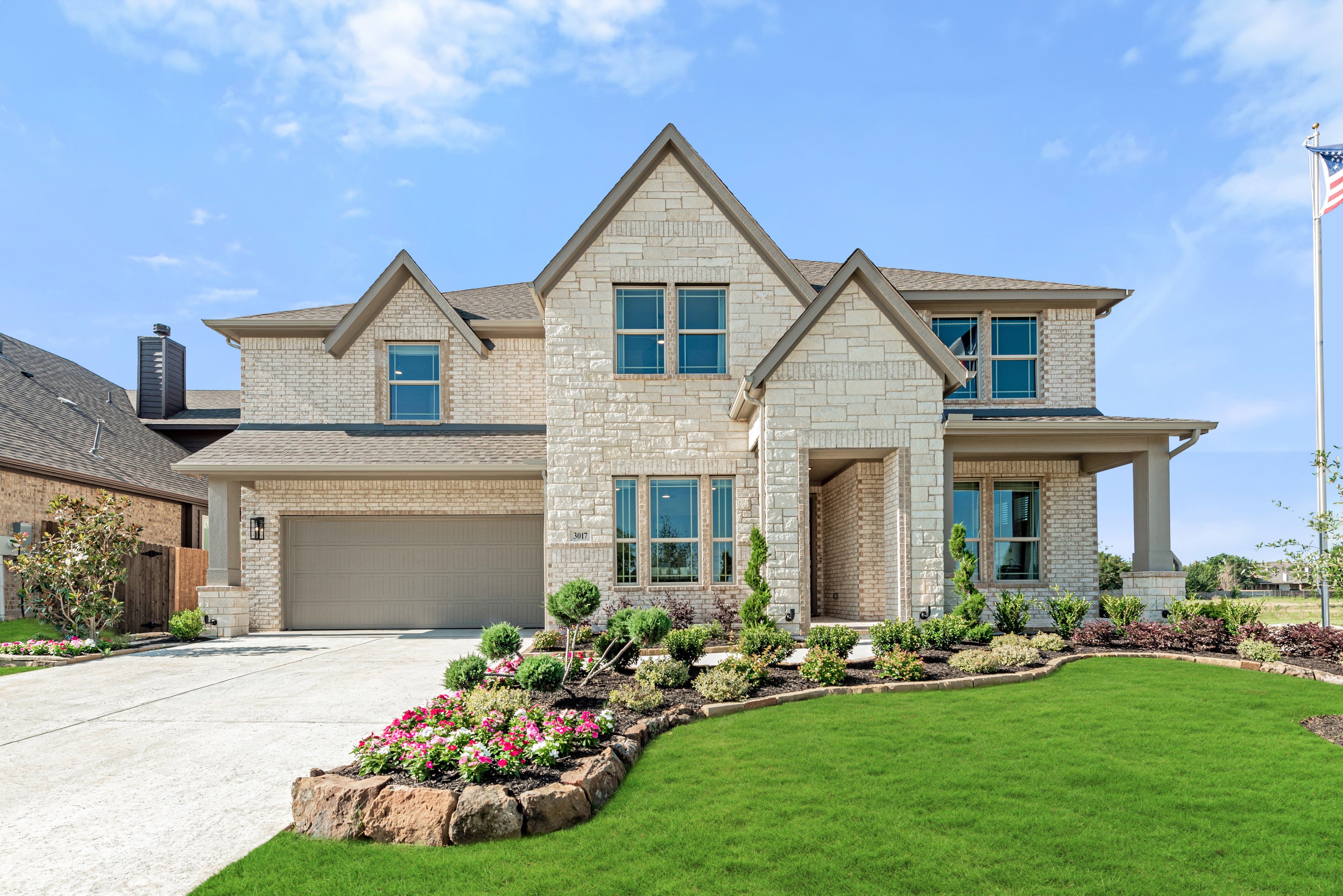 Real estate rewards preparation more than it rewards timing. The market does not wait for the ideal moment, and neither should buyers who have done the work. A look at real estate listings and pricing data in your target area costs nothing and tells you a great deal.
No listing found.