


harleyhewlett3
Sobre o Corretor harleyhewlett3
Cracking The Studio Secret
Every few years the housing market rewrites the rules, and buyers who learned the last set of rules show up unprepared for the new ones. Right now, the rules have changed more than they have at any point in a generation. The buyers who understand that are finding deals. The ones who do not are making expensive mistakes.
Home prices at the national level have stayed stubbornly high even as financing costs doubled in under two years. The reason is supply. A seller who bought in 2021 at a three percent rate has nowhere affordable to go if they list today, which means the correction that many analysts were expecting simply did not materialize the way the data suggested it should.
Affordability, by the standard measure of what share of median household income goes toward the monthly payment on a median-priced home, is near its worst level since the early 1980s. That is a real problem, and it is not going away quickly. That measure being at a historical extreme does not automatically produce a correction. What it means, practically, is that the pool of qualified buyers is smaller than it was three years ago.
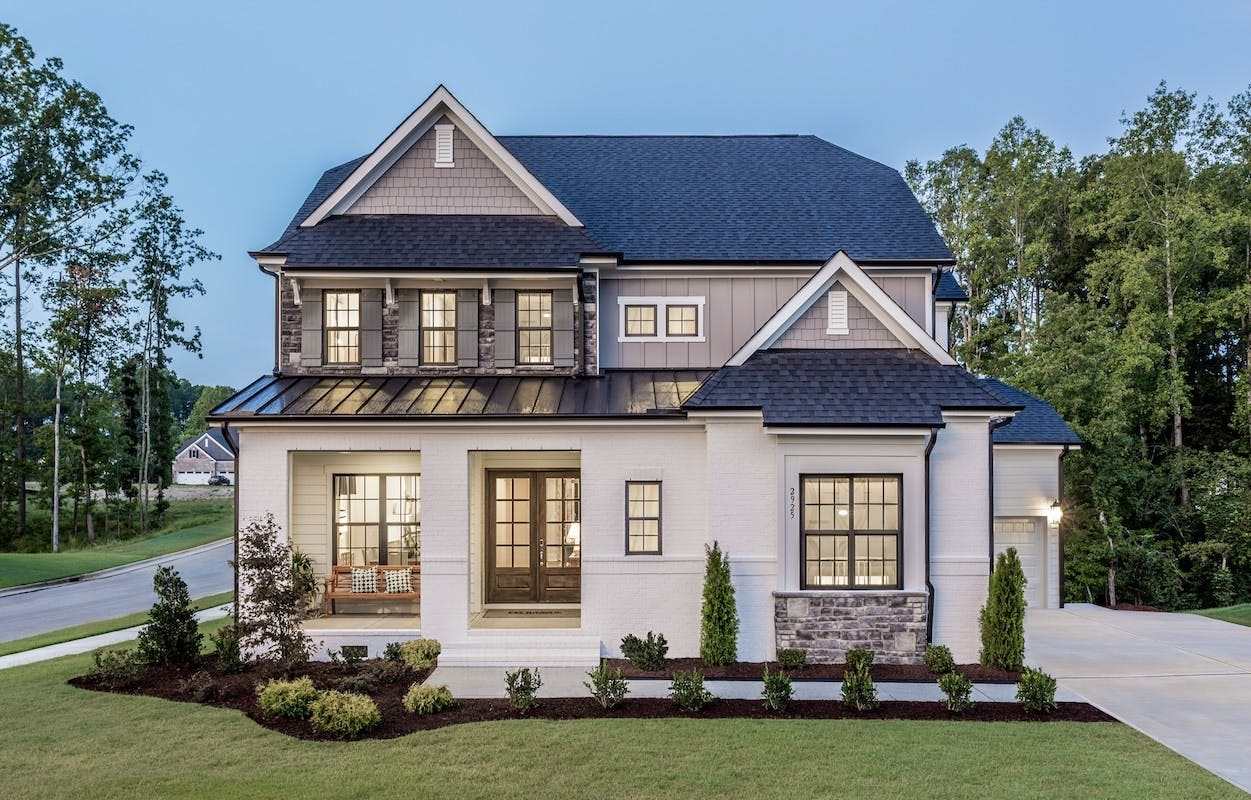 Before you look at a single listing, get your mortgage pre-approval completed and in hand. Not a rough estimate. Not a verbal confirmation from a loan officer you met once. A full pre-approval based on verified income, tax returns, bank statements, and a hard credit pull. Any agent worth working with will tell you the same thing: no pre-approval, no offer.
 The inspection is where the marketing copy meets reality. Schedule it and attend in person if at all possible. A good home inspector will walk you through what they are finding as they go, and the conversation is often more valuable than the written report that follows.
Price matters, but terms matter too. A longer closing window, a shorter inspection period, a larger earnest money deposit, or willingness to do a rent-back period can all tip a deal in your favor without you spending an extra dollar on the purchase price.
The timing question, whether to buy now or wait for prices to pull back, is the one that trips up more buyers than any other single factor. Waiting for the perfect moment is how people end up renting for another five years when they did not mean to. The more useful question is not whether now is the right time in the abstract; it is whether you can carry the payment without strain.
 Real estate rewards preparation more than it rewards timing. The market does not wait for the ideal moment, and neither should buyers who have done the work. Check up-to-date property listings and see whether what is available matches what you have been planning for.
No listing found.